Paw Wrap for Starbucks Cold Cup 24 Oz: Designer’s Review
Some designs land in your inbox and instantly suggest a project. That is exactly what happened with the Paw Wrap for Starbucks Cold Cup 24 Oz. The moment I pulled up the preview, I could already picture it stitched out on a sturdy canvas tote, carried by a dog owner who never leaves home without their iced coffee. This is a design that feels less like a generic graphic and more like a small lifestyle statement—playful, warm, and just niche enough to grab attention in a busy craft market.
What you are actually getting is a digital design asset bundle. The zip includes SVG, PNG, PDF, JPEG, and EPS files. That is a generous spread for anyone working across different machines and software, from embroidery digitizers to sublimation printers. As a reviewer who also runs a small embroidery studio, I immediately ask two things: does the visual idea hold up under the needle, and how will a real buyer react to the finished product? The Paw Wrap for Starbucks Cold Cup 24 Oz answers both questions with a lot more confidence than I expected.
First Impressions: Quirky, Warm, and Shop-Ready
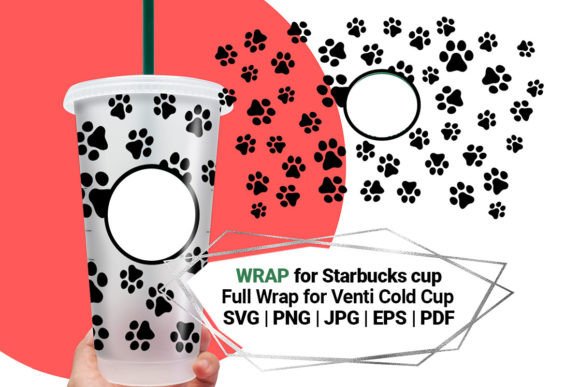
The design centers on a wrap-around motif made for a 24-ounce Starbucks cold cup, with paw prints scattered across the surface. It is not a literal photograph of a cup sleeve—it is a stylized interpretation that blends coffee culture with pet love. The shapes are clean, the paw prints are distributed evenly, and the overall layout feels balanced enough to work as a standalone embroidery motif or as part of a larger composition. There is a gentle, approachable personality here that avoids looking childish or overly busy. That is a huge plus for anyone selling embroidered goods to adults who want a touch of personality without screaming.
I would describe the mood as cozy and giftable. It immediately makes you think of pet parents, veterinary professionals, dog walkers, and anyone who treats their morning coffee as a ritual shared with a four-legged friend. For a small business owner, this design has a clear emotional hook that translates straight into buyer engagement.
The Real-Life Test: Stitching a Tote Bag for a Coffee-Loving Dog Mom
To ground this review, I mentally walked through a project I know would sell well: a custom embroidered canvas tote bag. The concept is simple—a natural beige tote with a single well-placed embroidery of the paw wrap design, sized to fill about 5 inches across. The tote would be marketed as a farmer’s market bag or a reusable cup carrier. In my mind, I selected a dark brown thread for the cup silhouette and soft cream with taupe accents for the paw prints. The contrast is important, and this design offers enough separation between elements to keep the stitches readable even on textured fabric.
When I ran a mental test of stitch order, I pictured the base cup wrap shape done in a medium satin stitch, the paw prints in a slightly lighter fill stitch, and the small accent lines in a fine running stitch. The visual hierarchy is clear—the eye moves from the cup outline to the paws, and then back to the whole wrap. That is a strong sign for an embroidery design. Designs that lack this kind of natural flow often end up looking muddy after stitching, but here the rhythm is already built into the artwork.
Where This Design Shines in Embroidery
The Paw Wrap for Starbucks Cold Cup 24 Oz is not an embroidery file out of the box—it is a digital graphic that you will need to digitize. But that is a standard step for anyone who works with vector or raster assets. The benefit is that you have full control over stitch types, density, and size, and the provided SVG and EPS files give you clean paths to work with. Once digitized, this design fits beautifully on a range of products.
Here are the projects where I see it performing best:
- Custom apparel: Left chest embroidery on a sweatshirt or a small placement on a t-shirt pocket. The wrap shape naturally sits well in a compact area.
- Tote bags and canvas pouches: The motif has a casual, handcrafted feel that blends with natural fibers and linen textures.
- Embroidered patches: Because the design is self-contained, it makes a great patch with a merrowed border. Paw print patches are consistently strong sellers in pet niche shops.
- Aprons and kitchen towels: For a coffee-themed kitchen set, this design adds a touch of whimsy without overcomplicating the aesthetic.
- Personalized gifts: Think of a set of embroidered cup sleeves, or a matching tote and towel set for a pet lover’s birthday or holiday gift.
- Etsy and craft fair merchandise: Shoppers looking for unique, niche designs often gravitate toward items that combine two passions—here, coffee and pets. This design hits that intersection perfectly.
In every one of these applications, the visual appeal remains strong. The design is recognizable, the theme is clear, and the styling is soft enough to suit both minimalist and playful branding. That kind of versatility is rare in a single graphic asset.
Where to Tread Carefully: Fabric and Hoop Considerations
No design is a universal fit, and the Paw Wrap for Starbucks Cold Cup 24 Oz has some practical limits you need to respect. Because the design includes several small paw prints and a wrap band that traces a curved path, it can become problematic on high-texture or unstable surfaces.
I would avoid using this on:
- Very thin or stretchy fabric: Lightweight jersey or performance blends can distort the wrap line and paw shapes, especially if you are not using a heavy cutaway stabilizer.
- Dark fabrics without a light underlay: The paw prints are small and can lose definition if the thread color is too close to the fabric. Test a white or light gray underlay stitch first.
- Curved cap fronts: While you could stitch it on a cap, the horizontal wrap line may not follow the curve of a hat well. A flat placement like a cap side panel would be better.
- Items that get frequent harsh washing: If you are stitching on a kitchen towel that will see bleach and hot water, the fine details in the paw prints might fade or fray over time. Keep the design on items that are treated with care.
For small hoop sizes, you will need to scale the design down cautiously. I always recommend doing a stitch-out on scrap fabric at the intended size before committing to the final product. At smaller scales, the paw prints may become too dense or lose legibility. If you are working with a 4x4 inch hoop, consider using only the central paw cluster as a standalone motif rather than the full wrap.
From Screen to Stitch: What You Need to Know Before You Digitize
The file bundle includes SVG, PNG, PDF, JPEG, and EPS. That is a solid set of design assets that covers both print and digital workflows. For embroidery, the SVG and EPS files are your best friends because they open as clean vector paths in digitizing software. You can map stitch types to the cup outline, paw prints, and any tiny accent marks with precision.
I would approach the digitizing process with these notes in mind:
- Check stitch density: The paw prints are the focal point, but they are small. Avoid making them too dense; a light fill stitch or a well-placed satin stitch will feel more professional and less stiff.
- Test thread color contrast: The design benefits from a clear distinction between the cup wrap base and the paw prints. I often use two shades of the same color family—like a warm cocoa brown for the cup and a soft sand for the paws—to keep things cohesive.
- Test in black and white: Before you stitch, convert the design to grayscale on screen. If the paw prints still read clearly as separate from the wrap, you are on the right track. If they blend together, adjust the contrast.
- Use proper stabilizer: For projects like tote bags or sweatshirts, a medium-weight cutaway stabilizer will keep the wrap line crisp and prevent the fabric from shifting.
Since the listing does not provide specific stitch counts, hoop size recommendations, or machine file formats, you will need to handle those decisions yourself. That is normal for a graphics-based product, but I always remind fellow crafters to confirm licensing terms if you plan to sell the finished embroidered products commercially. The presence of common file types like SVG and EPS suggests the design is intended for commercial use, but you should verify with the seller if you are building a full product line around it.
Adding Value to Handmade and Commercial Products
What elevates the Paw Wrap for Starbucks Cold Cup 24 Oz beyond a simple clip art bundle is the way it connects with a buyer’s lifestyle. A customer who picks up an embroidered tote bag or a set of tea towels with this design is not just buying a product—they are buying a moment of recognition. It feels personal, and that emotional hook is what drives repeat sales and word-of-mouth referrals.
For Etsy sellers and small shop owners, this design can become a signature piece. It works beautifully in printable mockups for product previews, and the JPEG and PNG files let you create realistic mockup images without needing to stitch the item first. That is a smart way to test market interest before you commit to thread and stabilizer. The design also fits well into boutique branding—imagine a coffee shop that also sells pet accessories, using this motif on staff aprons or merchandise. The cross-niche appeal is strong.
From a presentation standpoint, the finished product carries a handmade charm that feels intentional, not rough. Stitching clarity is key here: clean lines, well-defined paw prints, and a balanced composition make the embroidery look professional. That builds customer trust and reinforces brand consistency. Whether you are selling at a craft fair or shipping custom orders from a home studio, the design helps your work stand out as thoughtful and curated.
Practical Designer Notes for a Flawless Finished Project
Before you load the design into your machine, here is a short checklist I follow for any graphic-to-embroidery workflow, and it applies perfectly to the Paw Wrap for Starbucks Cold Cup 24 Oz:
- Test on scrap fabric first. I cannot stress this enough. Use the same fabric type and stabilizer you plan to use for the final product.
- Review stitch density. Small paw prints can turn into bulletproof patches if you are not careful. Dial back the density by 10–15% from the default setting.
- Inspect small details. If the design includes tiny lettering or accent lines, verify they will be at least 1mm wide in your digitized file to stitch cleanly.
- Compare light and dark fabric backgrounds. The design may look great on oatmeal canvas but disappear on charcoal. Keep a swatch set handy for quick tests.
- Check hoop size. Measure the final design dimensions and confirm it fits your available hoops. If you need to resize, do it in the vector file before digitizing.
- Verify licensing. The product category is Crafts and the type is Graphics, which typically covers personal and commercial use, but always double-check with the original seller if you plan to sell the digitized embroidery files or finished items in large quantities.
One final thought from my experience: designs that feel like inside jokes or shared experiences—like coffee and dogs—often perform better than generic florals or abstract patterns. The Paw Wrap for Starbucks Cold Cup 24 Oz taps into that quiet, daily joy. It is not trying to be everything to everyone, and that is exactly why it works. For embroidery designers, craft business owners, and anyone who stitches with a story in mind, this is a design worth adding to your asset library. Just be thoughtful about digitizing, test carefully, and let the design’s natural warmth do the rest.