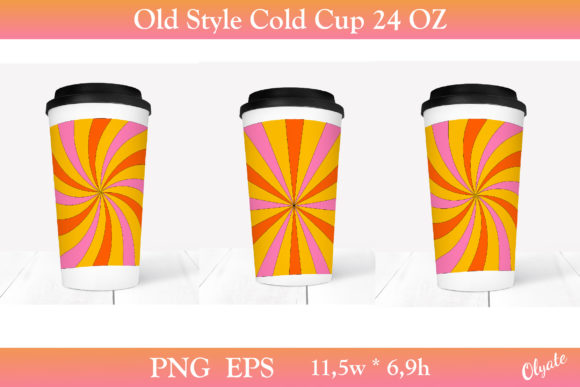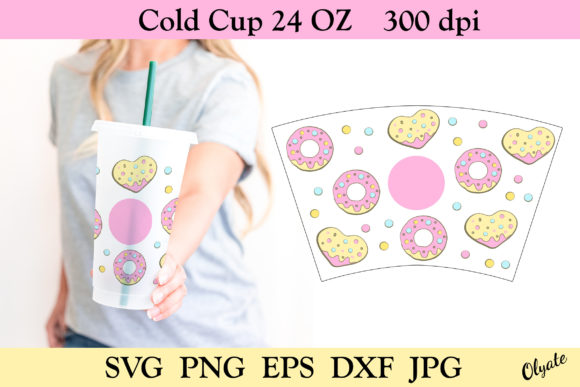
24 OZ Cold Cup Donut Tumbler Valentine Graphics for Crafts
When I open a new graphic design asset meant for a 24 oz cold cup, I immediately look for the personality it can bring to a seasonal listing. The “24 OZ Cold Cup Donut Tumbler. Valentine” file arrived as a clean, layered download, and the first thing I noticed was how effortlessly it blends a sweet bakery vibe with a love‑themed palette. The donut illustration is playful without being childish, and the sprinkles and heart accents give it just enough festive energy to feel right for a Valentine’s Day product drop, but also flexible enough to carry into a broader “treat yourself” collection in a creative marketplace.
For someone who builds digital product collections for Etsy, Creative Fabrica, and print‑on‑demand storefronts, I’m not just looking for a pretty picture. I need a file that can hold up under resizing, color testing, and the technical demands of both printable and cut‑ready formats. The download includes EPS 10, SVG, DXF, and a PNG on a transparent background. That native transparency is a huge time‑saver when I drop it into a product mockup, because I don’t have to mask out a white background before placing it on a tumbler, mug, or tote bag preview. The DXF and EPS formats mean I can also open it in a full vector workspace and adjust the size to match the exact 24 oz cup template I’m using, which the product description lightly hints at by mentioning “you may need to resize it for your cup dimension.”
First Impressions and the Mood of the Design
This isn’t a painterly watercolor or a minimalist line icon. The donut feels like a crisp, solid illustration with a slight glossy highlight on the frosting, and the heart sprinkles are small but distinct. It reads as a printable design that can sit boldly on a white cup, a pastel pink tumbler, or even a dark matte black background if you adjust the stroke visibility. The mood leans into a cheerful, feminine, small‑business‑friendly aesthetic — think boutique coffee shops, handmade gift shops, and Valentine’s Day bundle creators who want a visual that feels hand‑finished but commercially polished.
From a branding angle, the donut motif carries visual hierarchy naturally. The central shape is large and recognizable, so it works as a thumbnail image even at a tiny size on a mobile Etsy search results page. I tested it at 200px wide, and the sprinkle details still separate from the frosting, which is a good sign for click‑through potential when you’re competing against dozens of other Valentine tumbler listings.
Real Seller Testing: Where This Asset Shines
I never publish a new commercial design without running it through a few real‑world placement scenarios. Here’s how I tested the “24 OZ Cold Cup Donut Tumbler. Valentine” before considering it for a full product collection:
- SVG Design for Cricut and Silhouette: I imported the SVG into Cricut Design Space and separated the layers. The cut lines were clean, and the donut outline held its shape without jagged edges. I resized it to fit a 24 oz cold cup template and it cut smoothly on adhesive vinyl. The heart sprinkles are small; if you’re cutting them as individual pieces, you’ll want to test the smallest size on your machine, because they might become too delicate for some cutters. For a static decal, though, grouping them together works perfectly.
- PNG Design for Sublimation and Mockups: The PNG at 300 DPI transferred cleanly into a sublimation print. The colors stayed vibrant on a white polyester‑coated tumbler. I also placed the PNG directly onto a product mockup in Canva — the transparency let me layer it over a blush pink background without a halo, and the donut’s frosting highlight made the design feel dimensional on a flat surface.
- Clipart and Printable Bundle Potential: I grouped the donut with a few other Valentine elements from my existing stash to make a quick digital paper pack. The donut worked as a focal point on a 12x12 inch scrapbook sheet, and it also scaled down nicely for a printable planner sticker sheet. Because the file is a single illustration, you’ll want to pair it with coordinating patterns or companion graphics if you’re selling a full design bundle, but as a hero piece it holds its own.
- T‑Shirt and Tote Bag Graphics: I printed the PNG onto a light heather gray t‑shirt using direct‑to‑garment, and the design popped without any muddy fringing. The outline is bold enough that it doesn’t get lost on fabric, and the donut’s shape is instantly recognizable as a sweet treat. For a tote bag, I used the DXF file to create a stencil and painted it with fabric paint, and the result had a handmade, block‑printed feel that a small business could easily sell as a limited‑run Valentine item.
Product Presentation Power: Mockups, Thumbnails, and Bundles
One of the most underrated values of a well‑made graphics asset is how it lifts your listing’s presentation. With this donut design, I built a quick mockup preview for a 24 oz cup by placing the PNG on a transparent background inside a smart object layer. The result felt like a realistic product shot, and I could quickly change the cup color to show multiple variations in my Etsy listing images. That kind of visual storytelling — showing the same design on a pink cup, a clear cup with a colorful straw, and a white frosted cup — builds customer trust and increases perceived value before they even read the description.
For Canva template sellers, the PNG is ready to drag into a template, and the EPS file means you can open it in Adobe Illustrator to add custom text without losing quality. I’ve seen fellow creators use a similar asset to make Valentine’s Day Instagram story templates, complete with a “24 oz cold cup” callout and a “happy valentine’s day” overlay. The donut becomes the anchor image that ties the template together.
Where to Use It Carefully
No design is a one‑size‑fits‑all solution, and this one has a few spots where I’d pause before hitting publish:
- Very small sticker details: The heart sprinkles are charming, but if you shrink them to a 0.5‑inch sticker, the cut path might become too tight. I’d recommend enlarging the donut or removing a few sprinkles if you’re creating tiny kiss‑cut stickers for a sticker design sheet.
- Overly complex layouts: Because the illustration is relatively detailed with frosting lines and sprinkles, it can get lost if you place it over a busy background or a dark‑on‑dark color scheme. I always test it on a white background first, then a dark background, and then a patterned background before adding it to a t‑shirt design mockup. If the contrast dips, I’ll add a subtle offset outline to the donut, which is easy to do in vector software with the EPS file.
- Low‑resolution print products: The PNG came through at a high resolution, but if you’re bundling it into a digital download that includes multiple assets, make sure you’re not accidentally compressing it. I’ve seen sellers upload a beautifully crisp design only to have it turn grainy on a physical mug because the file was saved below 150 DPI. Always inspect the final exported file at 100% zoom.
- Crowded thumbnails with heavy text: The donut’s shape is round and symmetrical, which can fight with a stacked text layout if you’re not careful. I’d use a sans serif font that sits neatly above or below the illustration, or a script font that curves around the top of the donut without obscuring the sprinkles. A serif font that’s too ornate might clash with the playful frosting lines.
Practical Seller Notes from a Real Workflow
After working with the file for a few hours, here’s a checklist I’d follow before listing any finished product that uses this asset:
- Test on real mockups — not just a flat preview, but a 3D tumbler mockup with shadows and highlights. The donut’s highlight will look different on a curved surface, so check that the frosting doesn’t appear distorted.
- Preview as a marketplace thumbnail — shrink it to the size of a typical Etsy search result and see if the design still reads as a donut. If it blurs into a blob, you may need to increase the stroke width slightly.
- Check PNG transparency — open the file in a photo editor and place it on a contrasting background to confirm there’s no white fringe or leftover background pixels.
- Inspect SVG cut quality — if you’re selling to crafters, run the SVG through a cutting simulator. The difference between a clean cut and a frustrating one can be a single node that’s out of place, especially in the sprinkle areas.
- Verify file resolution — the EPS and SVG are vector, so they’re infinitely scalable. The PNG should be at least 300 DPI at the size you intend to print. I’d note the exact pixel dimensions in your product description so buyers know they’re getting a high‑quality PNG design.
- Organize files clearly for customers — if you’re reselling this as part of a commercial design bundle, rename the files with descriptive prefixes. I’d use “Donut_Valentine_24oz_PNG” and “Donut_Valentine_24oz_SVG” so there’s no confusion.
- Confirm commercial licensing — always double‑check that the license allows you to use the design on physical products for sale, digital downloads, and POD platforms. Most reputable assets come with a clear commercial license, but it’s your responsibility to read the fine print before you print a hundred mugs.
Font Pairing and Branding Flexibility
This donut graphic pairs beautifully with a script font that has a handwritten, bakery‑styled feel. I tested it with a bouncy modern calligraphy font and the combination felt like a cohesive small‑business branding set. For a more commercial, clean look, a sans serif font in all caps with generous letter spacing kept the design from feeling too sweet. A serif font added a touch of elegance that could work for a wedding‑favor tumbler. A handwritten font made the whole piece feel like a hand‑drawn gift tag. The key is to avoid fonts that compete with the donut’s already decorative nature; let the illustration be the star.
Who This Asset Is For
If you’re a Etsy product creator who sells Valentine’s Day tumbler wraps, a print‑on‑demand seller building a seasonal coffee cup collection, a Cricut project designer making vinyl decals for craft fairs, or a Canva template creator who needs a charming focal point for a social media graphic, this file will slot into your workflow without a steep learning curve. It’s not a complete design bundle on its own, but as a standalone hero graphic it brings enough versatility to justify the download, especially if you pair it with complementary assets like heart patterns, coffee bean illustrations, or love letter clipart.
For small business branding, the donut works as a temporary logo accent for a Valentine’s pop‑up shop or a limited‑edition product line. The file’s vector format means you can scale it for a packaging design insert, a thank‑you card, or a sticker that seals a tissue paper wrap. The transparent PNG can be dropped into a social media graphics template for Instagram or Pinterest, where a mouth‑watering treat image often stops the scroll.
Final Green Flag for a Seasonal Product Collection
After testing, I’m confident this graphic design asset earns its place in a Valentine’s Day product lineup. The file quality is solid, the transparency is clean, and the cut‑ready SVG meets the expectations of a crafts audience that relies on precise results. It’s not a one‑click solution — you’ll still need to resize it for your specific 24 oz cup template and possibly simplify the sprinkles for very small cuts — but that’s standard for any SVG design aimed at both digital and physical products. The playful, handmade feel of the donut illustration gives it a warm, approachable energy that resonates with buyers looking for a festive, affordable way to personalize their cold cups. I’ll be using it as the anchor image for a mini bundle of Valentine tumbler wraps, a matching sticker sheet, and a simple Canva template for last‑minute gift tags. For a seasonal digital download that needs to convert browsers into buyers, it’s a sweet, practical choice.
Disclaimer: Always verify the commercial license terms of any graphic asset before incorporating it into products you intend to sell, and test on physical substrates before committing to a large print run.