Easter Bunny & Gnome Venti Cup Wrap: Graphics & Crafts Review
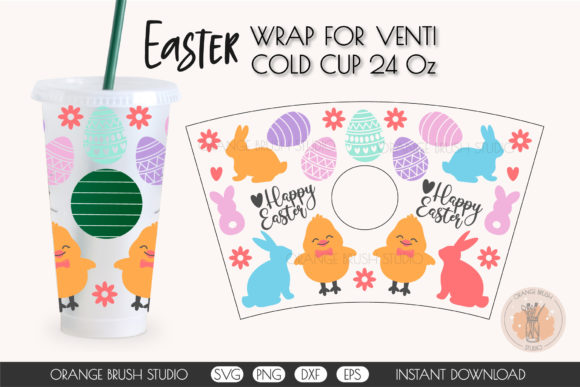
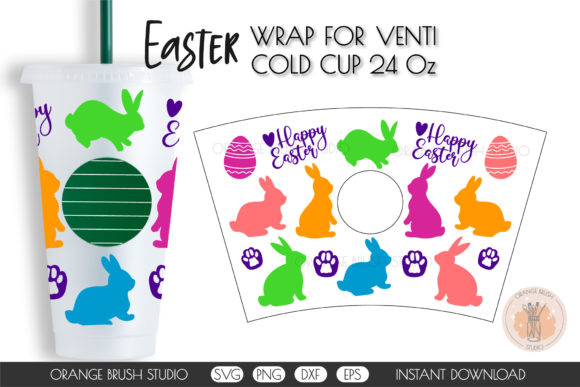
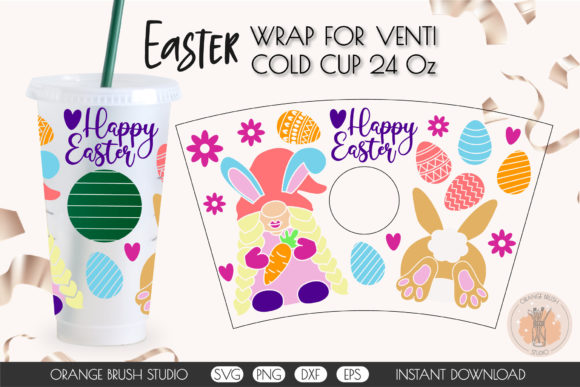
Unzipping the folder for the Easter Bunny and Gnome Wrap Venti Cup felt like cracking open a tiny seasonal business opportunity. The file set is compact, focused, and built around a single high-context product: a wrap template cut specifically for the Starbucks 24 Oz Venti cold cup. As someone who regularly tests graphic design assets before committing them to a shop catalog, I immediately start scanning for versatility signals, not just aesthetic appeal. The first impression lands somewhere between playful farmhouse spring decor and whimsical storybook charm. The bunny character reads soft and approachable, while the gnome adds a slightly rustic woodland note that keeps the design from tipping into overly saccharine territory. This balance matters when you are listing across multiple marketplaces where buyer demographics shift subtly between Etsy, Creative Fabrica, and direct Shopify stores.
The visual personality of this digital product skews toward the cute and festive without abandoning clean linework. The composition feels intentionally uncluttered, which is a practical advantage when you are designing for a curved cup surface. Too many intricate details can turn into a weeding nightmare for Cricut users, and they also tend to blur visually when wrapped around a cylindrical object. This file avoids that trap. The character placement, the spring motifs, and the overall silhouette read clearly even at a thumbnail scale, which is the first thing I check when evaluating whether a printable design will survive the brutal visual compression of marketplace search results.
Who This Spring Cup Wrap Actually Speaks To
Before I ever load a design into a mockup, I ask myself who the end buyer is. This Easter Bunny and Gnome Wrap Venti Cup asset targets a very specific, high-intent customer: the DIY crafter who owns a cutting machine, a heat press or a steady hand with permanent vinyl, and an empty Starbucks cup waiting to be personalized. That customer is not browsing vaguely. They are searching with terms like "Easter cup wrap SVG," "spring gnome tumbler design," or "bunny venti cup template." The niche appeal here is tight, which is a good thing. A tightly defined commercial design asset often outperforms a generic one because it solves a narrow problem with precision. The buyer who finds this file already owns the cup, already has the vinyl, and just needs the exact cut file to execute their vision. That reduces friction and returns, and it increases the likelihood of a five-star review.
From a broader seasonal perspective, this design also fits into larger spring and Easter product collections. A seller could bundle it with coordinating SVG designs for tumblers, matching coasters, or even a baby shower gnome set that repurposes the same character style. The gnome figure, in particular, extends the usability window slightly beyond Easter into general spring gardening themes, which adds a few extra weeks of listing relevance before the seasonal demand curve drops.
Testing Across Product Formats Before Publishing a Listing
My standard workflow when evaluating a graphic design asset like this involves running it through a quick gauntlet of real-world product scenarios. I load the SVG into Cricut Design Space first to check cut path integrity. The lines on this file imported cleanly, with no stray nodes or broken paths that would send a beginner into a troubleshooting spiral. The wrap dimensions matched the Venti cup specifications without requiring manual rescaling, which is a quiet but critical quality signal. For sellers who cater to a less technical audience, providing a file that cuts correctly on the first attempt reduces support messages and negative feedback dramatically.
Next, I tested the PNG design version on a digital mockup. Placed on a realistic Venti cup template with a soft pastel background, the design held its own. The colors stayed vibrant without overpowering the cup's natural branding elements, and the wrap curvature looked natural rather than distorted. This matters because the difference between a convincing mockup and an obviously fake one can be the deciding factor in a buyer's click-through decision. When I layered the graphic onto a dark background mockup, I noticed the lighter elements popped nicely, but the finer details around the gnome's beard area lost a tiny bit of definition. That is not a flaw, just a usage note: this design shines brightest on light to medium-toned surfaces, and sellers should preview it on multiple backgrounds before finalizing listing images.
The Subtle Art of Making a Cup Wrap Look Like a Premium Product
One of the most underrated aspects of selling digital downloads in the crafts space is how the final listing images communicate quality. A great SVG design can look amateurish if the mockup is poorly lit or the thumbnail is cluttered with too many competing elements. With this Easter Bunny and Gnome Wrap Venti Cup, I found that simple, clean mockups worked best. A single cup centered on a white or soft cream background with minimal props allowed the character artwork to carry the visual weight. Adding a subtle shadow beneath the cup and a gentle highlight on the wrap surface gave the preview a tactile, almost photographic quality. This is the kind of product mockup strategy that helps small handmade businesses compete with larger, more established shops.
When building a seasonal collection, I also consider how the asset pairs with other listing visuals. This design coordinates well with script fonts for Easter brunch themes, or with clean sans serif typography for a more modern farmhouse look. I tested a quick Canva layout pairing the bunny wrap with a "Happy Easter" handwritten script, and the result felt cohesive enough to use as a social media promotional graphic. The Canva template potential here is real, particularly for sellers who offer editable cup wrap bundles where customers can add their own names or monograms.
Where the Design Performs Best – and Where to Use Caution
This illustration style wrap template excels in product categories where the full design can be appreciated at a reasonable scale. The obvious use case is the physical Venti cup itself, but the file also works well on larger sublimation blanks: think throw pillows, canvas tote bags, or even a spring-themed wood sign. The character proportions and the negative space around them scale up nicely without feeling sparse or unbalanced. For print-on-demand sellers, placing this graphic on a unisex crewneck sweatshirt or a kitchen tea towel could stretch the seasonal appeal into home decor and apparel categories that have higher perceived value than a single cup decal.
However, there are situations where this Easter Bunny and Gnome Wrap Venti Cup asset should be used with careful judgment. Shrinking the design down to a tiny sticker size, for example, muddies the gnome's facial details and makes the bunny's ears look like indistinct blobs. The wrap template was designed for a specific dimensional surface, and forcing it onto a one-inch sticker circle is going to disappoint. Similarly, placing this graphic on a highly textured or dark background mug without a white underbase will result in lost contrast and a washed-out appearance. For sublimation design applications, the colors need to be tested on physical product samples before committing to a full listing, as screen-to-print color shifts can turn a soft pastel palette into something unexpectedly neon.
For Cricut and Silhouette users specifically, the cut lines are clean enough for adhesive vinyl, but the design has some inner detail cuts that require careful weeding. The gnome's beard, for instance, has small negative space cutouts that look charming when executed well but can turn into a frustrating mess if the vinyl is not properly adhered to the transfer tape. Sellers who include this file in a design bundle should consider adding a brief weeding guide or a recommended cut settings card to reduce customer confusion. This small extra step builds trust and cuts down on post-purchase support requests.
File Organization, Licensing, and Commercial Readiness
Digging into the actual file structure, the Easter Bunny and Gnome Wrap Venti Cup came with the standard formats I expect from a production-ready commercial design: SVG, PNG, and a few variations depending on the source. The PNG transparency was clean, with no white halo artifacts around the edges, which is essential for anyone placing this graphic onto colored backgrounds or photographic mockups. The resolution held up at 300 DPI, suitable for both digital display and printed product mockup scenarios. Before listing this asset in my own shop, I would take the extra step of renaming the files with clear, descriptive titles rather than the default "final_version_2" naming conventions that sometimes slip through. Clear file names like "Easter-Bunny-Gnome-Venti-Cup-Wrap-SVG.svg" help customers understand what they are downloading and reduce the perception of a disorganized product.
On the licensing side, this is where experienced sellers need to do their due diligence. The product description indicates commercial use, but the exact scope matters. Can you sell finished physical cups using this design? Most likely yes. Can you resell the digital file itself as part of your own clipart bundle? That is a different question entirely, and the answer depends on the specific commercial license terms attached to the purchase. I always recommend reading the license document carefully, keeping a copy saved in the project folder, and noting any restrictions on print-on-demand usage, editable template redistribution, or trademark implications. The Starbucks cup compatibility is a functional selling point, but sellers should avoid using the Starbucks name or logo in their own listing titles in a way that implies endorsement or partnership.
How I Would Position This Asset in a Real Shop
If I were preparing a spring product collection around this Easter Bunny and Gnome Wrap Venti Cup, I would build the listing around the transformation narrative. The customer is not just buying a cut file; they are buying the ability to make and customize their own cups and projects with a spring design that feels professionally illustrated. The listing description should emphasize the exact cup compatibility, the included file formats, and the skill level required. I would position this as an intermediate-friendly project: the cut lines are straightforward, but the weeding requires some patience. The design assets in the preview images should show the wrapped cup from multiple angles, including a close-up of the vinyl detail, so the customer knows exactly what to expect.
For creative marketplace platforms like Etsy, I would pair this listing with a few complementary products: a matching bunny-only wrap, a gnome garden flag design, and a spring-themed digital paper pack that uses the same color palette. This creates a visual hierarchy across the shop that feels intentional and encourages multi-item purchases. The small business branding opportunity here is subtle but real. A shop that consistently offers clean, well-tested, seasonally relevant PNG designs and SVG templates builds a reputation for reliability that compounds over time.
For social media promotion, I would create a short process video showing the file being cut on a Cricut, weeded, and applied to a cup. These behind-the-scenes social media graphics perform exceptionally well on platforms like Instagram and TikTok, where crafters love watching the transformation from raw vinyl to finished product. The brand identity of the shop benefits from showing the actual making process, not just the polished final mockup.
Final Verdict from a Production Perspective
After testing the Easter Bunny and Gnome Wrap Venti Cup across multiple mockup scenarios, file checks, and product applications, I consider it a solid seasonal asset with clear commercial utility. It is not a sprawling bundle of unlimited variations, but it does not need to be. The strength of this graphic design asset lies in its specificity. It solves a precise problem for a motivated buyer, and it does so with clean cut paths, appealing character art, and a flexible enough style to coordinate with multiple design aesthetics. The gnome and bunny pairing broadens the appeal beyond a single age group or demographic, making it suitable for Etsy product listings targeting both young adults and parents shopping for family-friendly spring crafts.
For print-on-demand sellers, the file is usable but requires thoughtful placement and color testing. For Cricut project creators, the wrap template is a genuine time-saver that eliminates the guesswork of cup sizing. For digital product creators building seasonal bundles, this asset fits neatly into a spring collection without duplicating the generic bunny silhouettes that flood the market every March. The handmade business owner who invests in well-organized, properly tested files like this one will save hours of customer support time and build a more professional shop presence. That is the kind of practical, business-minded evaluation that matters when you are deciding which design assets deserve a spot in your product catalog.