Happy Ghost Retro Halloween Venti Wrap: A Designer’s Honest Review
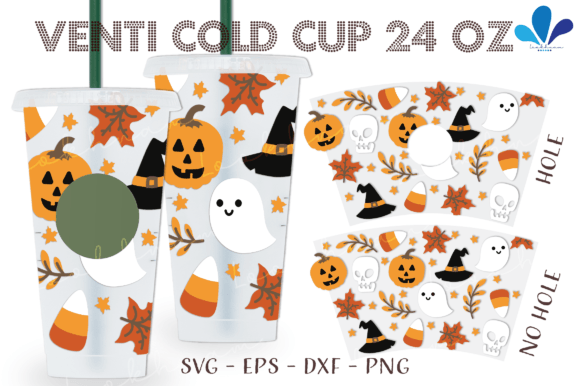
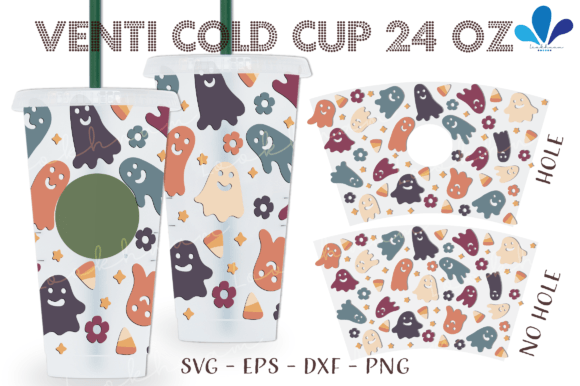
When a digital cup wrap template lands on my desk, I don’t immediately think embroidery. But the Happy Ghost Retro Halloween Venti Wrap has a graphic personality that’s hard to ignore. As someone who digitizes and stitches hundreds of designs each season, I’ve learned to look past the file’s original purpose and judge whether the art itself can thrive as a machine embroidery design. This download is sold as a cold cup template for 24 oz venti cups, but the real question for embroidery designers, small business owners, and crafters is: will this ghost look just as good stitched on a sweatshirt, a tote bag, or a handmade Halloween pillow? I spent time analyzing the mood, the layout, and the practical stitching implications, and here’s what I’d tell any maker before they commit to a project.
First Impressions: A Friendly Ghost with Instant Nostalgia
The moment I opened the preview, the mood struck me as playful, warm, and slightly vintage. The ghost isn’t scary or overly detailed; it leans into a retro Halloween aesthetic that reminds me of old-school trick-or-treat decorations. The shape feels approachable, with softened curves and a cheerful expression. That kind of visual personality matters a lot when you’re stitching on fabric, because harsher, more complex elements can blur or lose impact under thread. The Happy Ghost Retro Halloween Venti Wrap instantly told me it would work best on projects that want a whimsical, not spooky, Halloween vibe. If you’re designing for kids’ apparel, family-friendly craft fair products, or even a boutique line of kitchen towels, the ghost’s face alone could be the deciding factor for a customer.
The layout is formatted for a tall cup wrap, which means the design has a vertical flow. That long, narrow proportion is actually a gift for certain embroidery placements like sleeve designs, apron straps, or the front panel of a toddler shirt. I wouldn’t force it onto a wide, horizontal canvas without some resizing and re-composition, but the core ghost figure is easy to isolate and treat as a standalone motif. The retro feel comes through in the chunky, slightly uneven line work and the simple color palette. It almost begs to be stitched in a mix of satin and running stitches, with a little vintage thread palette of cream, pumpkin orange, and muted black.
Real-World Embroidery Applications: Where This Design Shines
I started mentally slotting the design into my own production queue. A custom embroidered tote bag for a Halloween market stall was the first thing that came to mind. Picture a natural canvas tote with the ghost centered on the front, stitched with a soft fill stitch and a delicate satin outline. The graphic’s simplicity means it would read clearly from a distance, and the retro charm would make shoppers pause. On a sweatshirt, the design could sit on the chest or down one sleeve, giving a subtle, handmade touch that feels more boutique than mass-produced.
Other uses that felt natural:
- Baby onesies or toddler t-shirts, where the ghost’s friendly face is safe and adorable.
- Embroidered patches for Halloween-themed backpacks or jean jackets.
- Kitchen towels or aprons for a seasonal kitchen refresh.
- Pillow covers for a cozy, not creepy, Halloween home decor collection.
- Small business merchandise like enamel pin backings, if you digitize a mini version.
Because the Happy Ghost Retro Halloween Venti Wrap is a digital download, you get the graphic file to work with, not a ready-to-stitch embroidery file. That means you’ll need to digitize it yourself or hire a digitizer. For experienced embroidery designers, that’s not a drawback; it’s creative control. You can adjust stitch types, density, and color stops to match your fabric and thread inventory. The original cup wrap template is a PNG or SVG likely, so you have crisp lines to trace.
The Stitch-Out Test: What I’d Watch For
Before I’d let this design anywhere near a customer’s order, I’d run a thorough test on scrap fabric. The ghost’s facial features are simple, but the eyes and mouth might be small enough to disappear if the hoop size is too tight or the stitch density is off. On a 4x4 inch hoop, you’d need to scale the ghost down considerably, and those tiny satin stitches could start to look messy. I’d recommend keeping the design at least 3 inches tall for the face to read clearly. If you’re working with a cup wrap template that’s meant to be 9 inches tall, you have plenty of room to play, but you’ll need to decide which parts of the layout to keep.
The retro effect often includes intentional unevenness or “sketchy” lines. In embroidery, that can be tricky. A running stitch might look too thin, while a satin stitch could lose the hand-drawn feel. I’d test a combination: a triple run stitch for the outer ghost shape, and a light fill stitch for the body if you want a solid look. Color choice matters enormously. On light fabric, a cream ghost with a soft gray outline can feel ghostly and transparent. On dark fabric, you’ll need to reverse the palette or add a white underlay so the ghost pops. I always test on both black and natural cotton to see how the design behaves.
Fabric and Garment Pairings: Making the Ghost Work for You
Not every fabric is a good home for this design. The ghost’s wide, smooth areas might look puckered on thin, stretchy fabrics like ribbed knit or performance tees. I’d stick to stable wovens, mid-weight sweatshirt fleece, canvas, and quilting cotton. For a baby item, a soft French terry with a no-show mesh stabilizer would keep the back feeling gentle. If you’re planning to sell, think about how the product will hold up after repeat washes. The ghost’s bold outline should be stitched with a dense enough satin stitch to survive laundry, but not so dense that it becomes stiff and scratchy. Test your digitizing with a few hot wash and dry cycles before you launch.
On curved surfaces like caps, the vertical layout could be a challenge. The ghost’s tall shape might need to be split or repositioned to fit the front panel. I’d probably use the ghost’s head alone for a cap, leaving the body for a flatter item. For aprons, the full-length design would look fantastic running down the center bib, especially if you’re targeting bakeries or coffee shops with a Halloween twist.
Small Business and Maker Perspectives: Can It Sell?
I’m always thinking about the end customer. The Happy Ghost Retro Halloween Venti Wrap has a nostalgic quality that aligns with the “cozy Halloween” trend. It’s not overtly childish, so it appeals to adults who love subtle seasonal decor. That broadens your market. If you’re an Etsy seller, you could list it on personalized tote bags, kitchen towels, or even mug rugs. The design is distinctive enough that customers will remember it, and that builds brand recognition. I’ve seen shops create a whole line around a single character, and this ghost has the charm to anchor a mini collection.
For craft fair products, the design prints well on paper mockups too, so you could use the same graphic for hang tags or packaging. That consistency boosts perceived value. When you use a digital design asset like this, you’re not just buying a cup wrap; you’re buying a visual identity piece that can stretch across multiple mediums. Always check the licensing terms, though. Some digital downloads restrict commercial use, and you don’t want to stitch items for sale without permission. The description didn’t spell out the license, so I’d reach out to the seller or look for a standard commercial use clause before listing anything.
Practical Designer Notes Before You Start
I always keep a checklist for any new design I’m testing for embroidery. Here’s what I’d do with this one:
- Test stitch on scrap fabric first. Use the exact stabilizer and thread you’ll use on the final product.
- Check thread color contrast. The ghost might need a darker outline on light fabric, or a lighter fill on dark fabric.
- Review stitch density. Too high and you’ll get puckering; too low and the background shows through.
- Confirm hoop size. If you’re using the full wrap layout, you’ll need a large hoop. The isolated ghost fits most medium hoops.
- Inspect small details. The ghost’s eyes and smile should be at least 1.5mm wide to stitch cleanly.
- Test in black and white. A quick monochrome mockup reveals if the design loses readability.
- Compare light and dark backgrounds. The mood changes completely, so plan your product photography around that.
- Use proper stabilizer. For sweatshirts, a cutaway stabilizer will keep the design from warping.
- Check licensing. Confirm you can use the design for commercial embroidery products before you sell.
I also recommend digitizing a version where the ghost is a simple applique. That reduces stitch count, makes the design softer, and opens up fabric texture possibilities. You could cut the ghost shape from flannel or felt and edge-stitch it, which would look incredible on a fall-themed pillow cover. The Happy Ghost Retro Halloween Venti Wrap graphic gives you enough clarity to trace an applique piece easily.
What I appreciate most about this design is its flexibility. It’s not trying to be a hyper-realistic Halloween monster. It’s a clean, happy, retro ghost that feels like it belongs on a mug, a tote, a sweatshirt, and a cup wrap all at once. For embroidery designers, that kind of multi-use asset is gold. You can build a whole product suite around it, test it across different items, and see what your customers respond to. The fact that it’s a digital download means you’re not locked into one format, and you can adapt the artwork to whatever your craft business needs. Just be mindful of the original cup wrap proportions, digitize with care, and you’ll end up with a stitched piece that’s as charming as the graphic itself.