Oops Daisy Libbey Can Glass 16 OZ Wrap: A Designer's Take
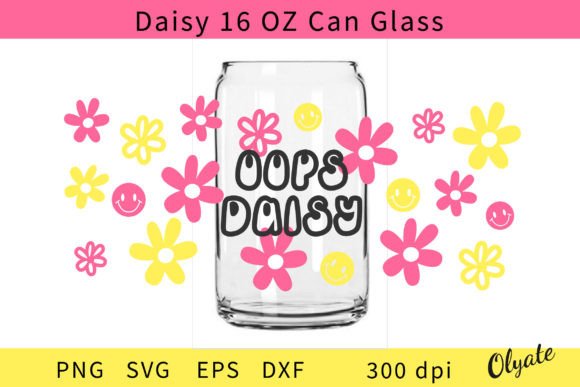
Some designs arrive with a clear personality baked right into the artwork. That is exactly what happened when I first opened the Oops Daisy Libbey Can Glass 16 OZ Wrap. The cheerful, slightly whimsical daisy motif immediately sparked ideas for handmade products, the kind of embroidery project that feels effortless yet polished. The mood is playful, fresh, and unapologetically charming. It does not try too hard. It simply delivers a clean, recognizable floral shape that would translate beautifully into thread on the right fabric.
As someone who regularly evaluates machine embroidery design files for client work and shop inventory, I look beyond the preview image. I think about stitch flow, fabric compatibility, and how a finished piece will actually look after three washes and a day in the sun. The Oops Daisy Libbey Can Glass 16 OZ Wrap has strong potential, but like any design pulled from a Graphics collection under the Crafts umbrella, it needs a thoughtful approach before you commit needle to fabric.
First Impressions and the Mood It Creates
The daisy is one of those timeless motifs that never really goes out of style. This particular version leans into a hand-drawn, slightly imperfect aesthetic. The petals feel organic, not stiff or overly symmetrical. That softness gives the design a warm, approachable feel. I could immediately picture it stitched onto a natural linen tea towel, a baby onesie, or a simple canvas tote bag. It has the kind of gentle character that makes a handmade product feel like a thoughtful gift rather than a mass-produced item.
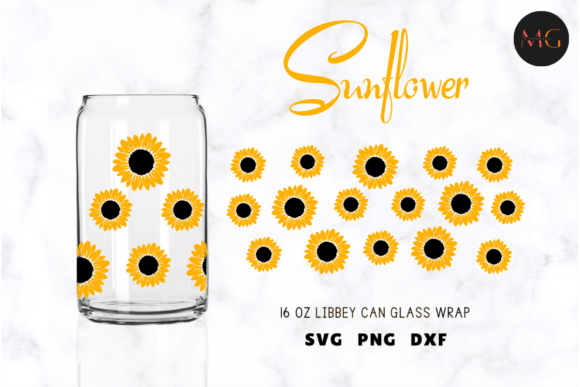
When I opened the ZIP file, I received the expected formats: EPS, SVG, DXF, and a PNG on a transparent background. The quality is solid, and the transparent PNG makes it easy to drop into mockup templates or digital previews. The seller notes that resizing may be necessary for your specific cup dimensions, which is a fair and honest heads-up. For embroidery purposes, resizing is not just a suggestion; it is a critical step that determines whether the design stitches out cleanly or turns into a puckered mess.
A Real Project Scenario: The Tote Bag Test
Let me walk you through a realistic scenario. I am preparing a small run of embroidered canvas tote bags for a spring craft fair. The theme is light, botanical, and giftable. I want something that appeals to buyers looking for a fresh personalized gift option. The Oops Daisy Libbey Can Glass 16 OZ Wrap sits right in that sweet spot.
I import the design into my embroidery software and begin checking the details. The daisy shape is clean, but I notice the petal spacing and the center details will need to be evaluated for stitch density. If the petals are too dense, they could make the fabric stiff and uncomfortable on a tote bag that gets folded and carried around. If the center is too open, it might lose definition on textured fabrics like canvas or linen. These are the quiet judgment calls that separate a good finished product from a disappointing one.
I also mentally test the design on a soft cotton sweatshirt. The playful daisy would look lovely across the chest or tucked near the collar. But here, I need to consider how the curved petals interact with stretchy fabric. A sweatshirt embroidery project demands proper stabilizer and possibly a lighter stitch density to prevent cracking when the garment stretches. The design itself is visually appealing, but the real work happens in the embroidery software settings.
How the Design Holds Up Across Different Embroidery Applications
The Oops Daisy Libbey Can Glass 16 OZ Wrap is versatile enough to live on a wide range of products. I can see it working well for custom apparel like t-shirts, lightweight hoodies, and baby rompers. The floral theme feels natural on nursery decor items, pillow covers, and kitchen linens. It also has the simplicity needed for an embroidered patch, where clean outlines and recognizable shapes are essential.
For Etsy seller shops and small shop product lines, the design offers a friendly, commercial-ready look. It does not feel niche or overly trendy. That matters because you want designs that can sell across multiple seasons. A daisy works in spring collections, summer markets, and even as a cheerful winter pick-me-up on a cozy apron or a holiday gift set.
From a craft business perspective, the design also suits printable mockups and digital embroidery file previews. The transparent PNG background lets you layer it onto product photos cleanly. When you are building listings, that kind of flexibility saves time and helps maintain brand consistency across your shop.
Where You Should Use This Design Carefully
Not every design is a one-size-fits-all solution, and the Oops Daisy Libbey Can Glass 16 OZ Wrap has some natural limitations worth respecting. The daisy petals have gentle curves, and if you shrink the design too small for a tiny hoop, those curves can lose their shape. Fine details may blur together, especially on textured or dark fabrics where thread contrast is harder to maintain.
Be cautious with small hoop sizes. If you are working with a 4x4 inch hoop, test the design at the intended size on scrap fabric first. The petal tips might become too delicate, and the center detail could turn into a dense blob of thread. On stretchy fabric like jersey or performance wear, stabilizer choice becomes non-negotiable. A cutaway stabilizer is your friend here, keeping the daisy crisp through wear and washing.
Dark fabrics present another consideration. The cheerful white and yellow daisy concept relies on contrast. If you stitch this onto a navy or black background, the petals might read beautifully, but the center detail could disappear if the thread color is not adjusted. Always test it in black and white mockups before committing to a thread palette. I also recommend checking how the design looks on curved surfaces like caps, where the daisy's round shape might warp slightly if not positioned carefully.
Stitching Clarity, Visual Appeal, and Customer Perception
When a customer picks up a finished product with this daisy embroidered on it, what do they notice first? Ideally, they see clean lines, a clear floral shape, and thread that sits smoothly against the fabric. The Oops Daisy Libbey Can Glass 16 OZ Wrap has the visual personality to achieve that. The design is not overly complicated, and that simplicity works in its favor. It reads quickly, which is important for buyer engagement at markets and in online listings.
From a professionalism standpoint, the design helps elevate a simple blank into something that feels intentional. A tote bag with a neatly stitched daisy looks like a curated boutique product. A baby onesie with the same design feels like a sweet, giftable keepsake. The recognition factor is high; people know and love daisies, and they respond to the warmth of the motif.
However, customer trust is built on consistency. If the stitching looks great on one product but sloppy on another because of poor resizing or fabric mismatch, that trust erodes. The design itself is a strong starting point, but the embroiderer's skill in adapting it to each project is what ultimately determines the finished quality.
Practical Embroidery Designer Notes
Before you stitch the Oops Daisy Libbey Can Glass 16 OZ Wrap onto a customer order or a batch of inventory, run through these practical checks. First, test the design on scrap fabric that matches your final project material. This is not optional. A design that looks perfect on screen can behave differently once the needle hits the thread.
Second, check thread color contrast carefully. The daisy likely calls for a light petal color and a contrasting center. If the contrast is too low, the design loses definition. If it is too high, it can feel harsh. Aim for a balanced, natural look that complements the fabric rather than fighting it.
Third, review stitch density in your software. The original design files come from a Graphics category, so they were likely created as vector artwork rather than digitized embroidery files. You will need to convert or digitize the design yourself, and that step is where stitch type decisions happen. Use satin stitch for clean petal edges, fill stitch for broader areas, and running stitch for delicate details. The balance between these stitch types determines how professional the final embroidery looks.
Fourth, confirm hoop size before you start. The design may need resizing, and you must ensure the resized version fits comfortably within your available hoop with enough margin for the fabric to sit flat. A cramped hoop leads to uneven tension and poor registration.
Fifth, inspect small details at actual size. Zoom in on the petal tips and the daisy center. Are the lines clear? Will the needle accurately follow the path? If the detail is too fine, simplify it before stitching. A slightly simplified daisy that stitches beautifully is far better than an overly detailed one that turns into a thread nest.
Sixth, use proper stabilizer for your fabric type. Woven cotton needs a medium cutaway. Stretchy knits need a firm cutaway. Sheer fabrics might call for a wash-away topping. The stabilizer is the unsung hero of every successful embroidery project.
Finally, confirm licensing before selling finished items or digital products. The product description does not specify commercial use terms, so reach out to the seller or check the listing details carefully. This is especially important for commercial embroidery projects where you plan to sell the finished goods at scale.
How the Design Elevates Your Product Line
Adding the Oops Daisy Libbey Can Glass 16 OZ Wrap to your design library gives you a flexible asset that works across multiple product categories. The daisy motif is universally appealing, and the hand-drawn quality adds a touch of authenticity that buyers respond to. It is the kind of design that makes a craft fair product stand out without being loud or overly complicated.
For digital product sellers and creative entrepreneurs, the included file formats offer solid starting points for mockups, branding, and design previews. The transparent PNG is particularly useful for layering onto product photos when you are building listings or sharing previews with clients. The vector formats give you the flexibility to scale the artwork without quality loss, which is essential for maintaining a polished, professional look across different product sizes.
I also appreciate that the design does not lock you into a single aesthetic. It can lean rustic on a linen pillow cover, sweet and delicate on a baby item, or crisp and modern on a structured tote bag. That adaptability means you can use it across multiple collections without it feeling repetitive.
Final Reflections on Real-World Embroidery Use
The Oops Daisy Libbey Can Glass 16 OZ Wrap is a genuinely charming design with strong potential for embroidery projects that prioritize warmth, simplicity, and broad appeal. It is not a complex, multi-layered masterpiece, and that is precisely its strength. It fits the kind of product that people buy on impulse at a market, gift to a friend, or reach for in their own kitchen because it makes them smile.
Just remember that the design started life as a graphic for a can glass wrap. That means you, as the embroiderer, carry the responsibility of adapting it thoughtfully. Resize carefully, digitize with attention to stitch flow, test on your intended fabric, and never skip the stabilizer. When you do those things, the finished embroidery will look polished, intentional, and undeniably lovely.
For apparel decorators, handmade shop owners, and hobbyists alike, the Oops Daisy Libbey Can Glass 16 OZ Wrap earns its place in the design library. It is one of those assets you will reach for again and again, knowing it reliably produces a product that feels both personal and professional.