Sakura Blossom 24oz Venti Cold Cup
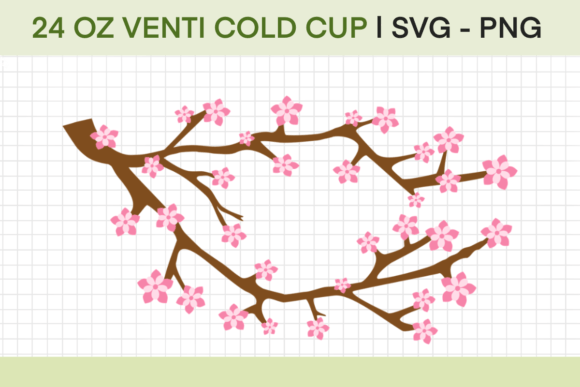
When I first opened the Sakura Blossom 24oz Venti Cold Cup design file, I felt that quiet pull of a truly versatile floral motif. The sakura branches curve with a natural looseness that doesn't try too hard. It's delicate without being precious, and that balance matters enormously when you're planning a real embroidery project, not just admiring artwork on a screen. The design carries a soft spring energy that would translate beautifully onto fabric, especially for boutique-style handmade products where the customer expects something that feels intentional rather than mass-produced.
I've spent enough late nights digitizing and test-stitching to know that a design's visual personality on screen only tells half the story. The real question is how it breathes once thread meets fabric. This sakura layout, with its scalloped petal clusters and gently angled branches, suggests a composition that could hold its own on a tote bag panel, a sweatshirt chest placement, or even a generously sized pillow cover. The spacing between elements feels considered. Nothing crowds. Nothing floats awkwardly. That kind of spatial intelligence in a design file makes the difference between a finished product that looks professional and one that looks like a first attempt.
First Look at the Sakura Motif and Its Emotional Pull
The sakura blossom carries a universal softness, but this particular interpretation leans into an airy, modern feel rather than a dense traditional print. The petals read clearly, with enough negative space to let the background fabric participate in the overall look. When I picture this stitched out on a natural linen tote or a cream cotton sweatshirt, I can already see the way the thread would catch light across those curved petal strokes. The design doesn't demand a busy color palette. A restrained selection of blush pinks, soft whites, and a muted branch tone would do the work beautifully. For makers who offer personalized gift items, this kind of design gives you room to add a monogram or a short name without the layout feeling stuffed.
What struck me on a second look was the branch structure. It's not overly intricate. There's a thoughtful restraint in how the blossoms distribute along the curve. For machine embroidery design conversion, that matters. Overly dense floral clusters become a nightmare of puckering and thread breaks, especially on midweight fabrics. This design's rhythm feels compatible with embroidery. The branches give a natural guide for satin stitch or running stitch paths, and the blossoms themselves could be interpreted as filled shapes or kept as elegant outlines depending on the aesthetic you're chasing.
How This Design Performs When You Think Like a Stitcher
Let's get practical. The Sakura Blossom 24oz Venti Cold Cup file arrives as a PNG and SVG, which means if you're an embroidery digitizer or work with one, you have clean vector paths to start from. That's a genuine time-saver. I've worked with enough messy source files to appreciate a well-structured SVG. The listed vinyl dimensions, approximately 11 inches wide by just under 7 inches tall, tell me this design was conceived for a substantial placement area. On a tote bag design, that's a gorgeous front-panel statement. On a sweatshirt, it would sit handsomely across the chest or slightly off-center in that designer-favorite asymmetrical placement.
For custom apparel work, I'd recommend testing the design at full scale on a sturdy cotton or cotton-poly blend first. The branch elements, if converted to a fill stitch, need to be checked for density. Too heavy, and you'll feel the stiffness through the fabric. Too light, and the coverage looks patchy on darker backgrounds. A medium-density fill with a subtle edge running stitch for definition tends to be my sweet spot for botanical motifs like this. The petals could work well as a satin stitch with a slight angle shift to mimic the natural directional grain of real cherry blossoms. That small detail separates a decent finished product from one that earns repeat customers.
One thing I always run through my mental checklist is how a design behaves on textured fabrics. A terrycloth tea towel, a waffle-knit blanket, or even a lightly slubbed linen pillow cover will challenge fine detail. The sakura petals here are distinct enough that they should hold their shape, but I'd avoid shrinking the design below about 60 percent of its original size without simplifying the smaller petal separations. Fabric texture eats detail. That's just a stitching reality. Keep the scale generous, and the design rewards you with clarity.
A Real Scenario: The Handmade Boutique Sweatshirt
I want to walk through a specific use case because that's where a design proves itself or falls apart. Picture a small shop preparing a spring collection. The owner wants a sweatshirt embroidery piece that feels elevated. Not a basic floral, not a cartoony blossom, but something an adult customer would wear to brunch or a casual office day. The Sakura Blossom 24oz Venti Cold Cup design, digitized thoughtfully, lands exactly in that zone.
On a soft oatmeal or heather grey sweatshirt, the sakura branches would read as sophisticated and understated. I'd stitch the branches in a warm taupe or muted charcoal, then fill the blossoms with a pale blush pink and a few accent petals in off-white. The contrast stays gentle. The design doesn't shout. That restraint is what makes a customer reach for the sweatshirt repeatedly. For the Etsy seller or craft fair vendor, this kind of product photographs beautifully in flat lays and hanging shots, and it attracts the kind of buyer who values subtlety over trendiness.
Before committing to a production run, I'd stitch one sample on a scrap of the same sweatshirt fleece. Check the stabilizer choice. A medium-weight cutaway stabilizer would be my starting point for knit fabric. Watch for any pulling along the branch curves. If the stitch density feels too stiff on the fleece, I'd reduce the fill density slightly and add a light underlay. These small adjustments take maybe twenty minutes of testing and save hours of frustration later. The design itself gives you a strong foundation. The rest is execution.
Where the Design Shines and Where to Be Careful
Not every design is a universal fit, and pretending otherwise doesn't help anyone. The Sakura Blossom 24oz Venti Cold Cup motif works best on products with a relatively flat, generous stitching area. Think tote bags, apron fronts, pillow covers, blanket corners, and sweatshirt or t-shirt chest placements. The horizontal orientation of the branch structure suits rectangular or slightly square placement zones. On a cap or hat, the curved surface could distort the longer branch lines unless you rotate the design or isolate a portion of it. I'd be cautious about using the full design on a structured cap without testing the curvature first.
For baby embroidery or nursery items, the sakura motif feels naturally at home. A soft baby blanket with a corner placement of these blossoms, stitched in pale thread on a gentle muslin or cotton, would be a lovely holiday gift or baby shower present. The scale works well for a blanket corner without overwhelming the piece. The design's gentle personality suits the category, and the lack of harsh lines or overly dense fill areas keeps the fabric soft against delicate skin.
Where I'd exercise caution: tiny lettering added too close to the blossoms, extremely dark fabrics where the subtle petal separations might visually merge, and highly stretchy performance fabrics that fight the stitch tension. The design also needs a careful thread colors selection. On a black sweatshirt, the pale pink blossoms pop beautifully, but the branch tones need to be light enough to contrast. A dark brown branch on black fabric disappears. I'd test a medium grey or a muted olive for the branch on dark backgrounds. Small color test, big payoff.
What This Design Brings to a Craft Business
From a product development standpoint, the Sakura Blossom 24oz Venti Cold Cup design offers something valuable: thematic flexibility. Sakura works for spring collections, Mother's Day gifts, wedding season merchandise, self-care branding, and even year-round botanical aesthetics. A design that can span multiple seasons and gifting occasions multiplies your listing potential without requiring a new artwork investment every month. For the small shop product owner running lean, that's a smart asset.
I also appreciate that the design doesn't lock you into a single product type. The same sakura motif could appear on an embroidered patch for a denim jacket, a kitchen towel for a spring home refresh, an apron for a baker, or a tote bag for a bridesmaid gift. Each application shifts the perceived value, and the design holds its personality across all of them. When a customer recognizes your sakura piece across different product listings, that builds brand consistency and trust. They start to associate your shop with that specific aesthetic, and that's gold for repeat sales.
For digital product sellers who offer embroidery-ready files or digitized versions, the SVG source provides clean starting artwork. The outline clarity means less manual cleanup before digitizing. The petal shapes are distinct enough to auto-trace well, though I'd always recommend a manual review of the stitch angles and pathing, especially on the branch intersections. The design's structure supports both applique design interpretation and fully stitched approaches, giving you two product options from one core artwork.
Practical Embroidery Designer Notes
I've gathered a few specific notes from my own test workflow that might save you time. First, always test the design on scrap fabric before committing to your final product. I know that sounds obvious, but I've skipped it on a tight deadline and regretted it. The fabric you plan to use matters. A cotton canvas tote handles differently than a fleece sweatshirt, and the same design file can stitch out slightly differently on each.
Second, review the hoop size requirement carefully. The vinyl dimensions provided, roughly 11 by 6.8 inches, suggest a fairly large placement. Confirm your embroidery machine's maximum hoop dimensions before starting. If you need to scale down, check how the smaller petal gaps read at the reduced size. Not every detail survives scaling gracefully.
Third, I recommend running a black-and-white mockup of the design before finalizing thread choices. A grayscale printable mockup helps you evaluate contrast and value distribution without the distraction of color. If the design reads well in black and white, it will almost certainly read well in color. This is a trick I use for every embroidery project before I thread a single needle.
Fourth, confirm the licensing terms before selling finished products or redistributing digitized files. The listing mentions compatibility with Silhouette and Cricut machines, and the file types include PNG and SVG. For embroidery use, you'll need to digitize the design yourself or work with a digitizer. Make sure the license allows for commercial use on finished handmade product items if you plan to sell. This is not the kind of detail to assume. Reach out to the seller or review the listing terms if anything is unclear.
Fifth, pay attention to stitch density on the blossoms. Satin stitch petals look beautiful but can become stiff if the density is too high relative to the fabric weight. I prefer a slightly lower density on lightweight fabrics and a medium density on sturdy cottons and linens. The petal shapes in this design are forgiving enough to handle a moderate density without losing their silhouette.
Final Thoughts Before You Stitch
The Sakura Blossom 24oz Venti Cold Cup design earns its place in a maker's library. It's not the kind of file you use once and forget. The motif has a timeless quality that suits multiple product categories, and the scale works generously for statement placements. For craft business owners building a spring collection, a bridal line, or a botanical home goods series, this design provides a solid anchor piece. The digital file quality, based on the SVG and PNG formats provided, gives you a clean starting point whether you're cutting vinyl, preparing a screen print, or digitizing for commercial embroidery.
Approach it with a thoughtful test stitch, choose your fabric and thread palette intentionally, and you'll have a finished product that feels more expensive than it cost to produce. That's the kind of math a small business runs on. The sakura branches curve with grace, the blossoms hold their shape, and the whole composition carries a quiet confidence that customers notice even if they can't articulate why they're drawn to it. That's good design. That's worth stitching.