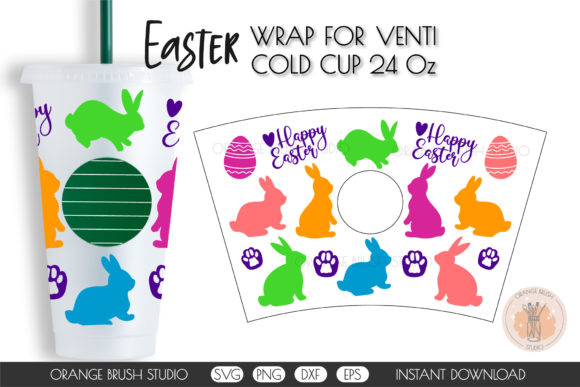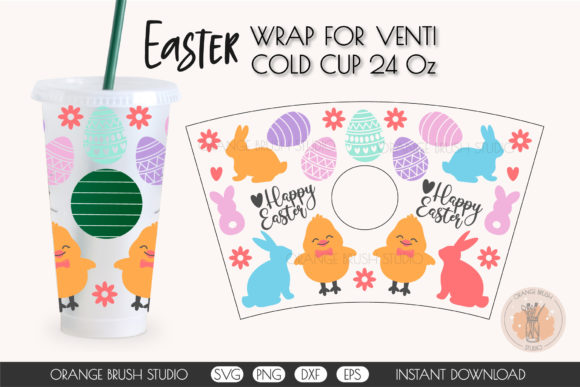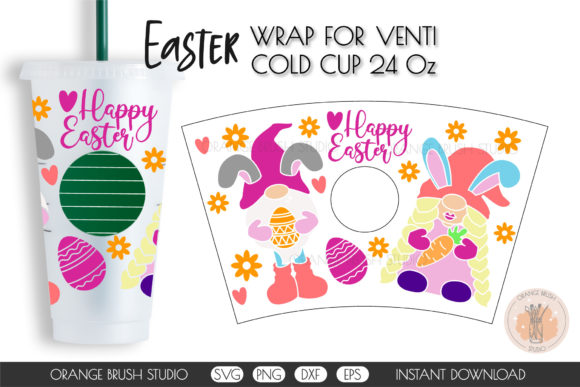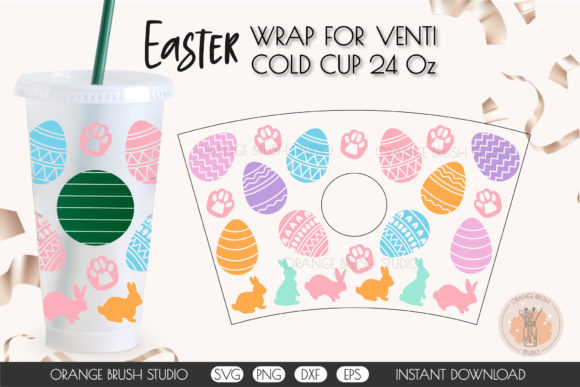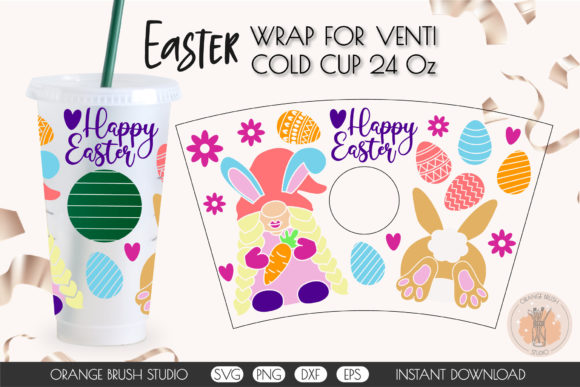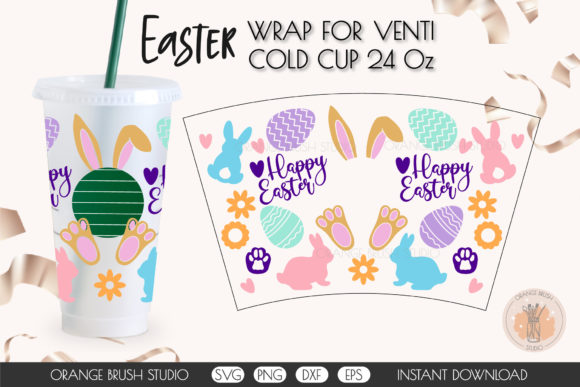
Spring Easter Bunny Ears and Feet SVG: Graphics for Crafts
When a new seasonal graphic lands on my screen, I immediately think about how it will behave inside a real publishing workflow. As someone who designs blog layouts, editorial graphics, and content upgrades every week, I don’t just look at the design itself—I look at the story it tells, the mood it creates, and the way it can hold a reader’s attention on a crowded page. The Spring Easter Bunny Ears and Feet SVG is a craft-focused cut file originally meant for wrapping a Starbucks 24 Oz Venti cold cup, but I saw it as a versatile graphic design asset that can carry a lot of weight in spring-themed editorial content, affiliate posts, and downloadable resources.
Right away, this SVG design gives off a playful, modern, and slightly whimsical vibe. The bunny ears and feet are clean, bold, and instantly recognizable. Because the file is vector-based, it scales without losing quality, which makes it a smart pick for blog graphics, website headers, and printable designs that need to stay crisp on every screen. For a publisher juggling Pinterest pins, newsletter banners, and category thumbnails, this kind of file is a quiet workhorse that keeps visual branding consistent while adding a timely seasonal touch.
First Impressions: A Playful Easter Graphic That Elevates Spring Content
The moment I opened the Spring Easter Bunny Ears and Feet SVG, I knew it could shape a specific editorial mood. It’s not overly ornate or childish, but it leans into a friendly, lifestyle-focused aesthetic that works well for family blogs, craft tutorials, recipe roundups, and early childhood education content. The design’s simplicity gives you room to pair it with other elements—a soft pastel background, a handwritten script title, or a clean sans serif blog header—without making the page feel cluttered. In a world where readers decide in seconds whether to stay or bounce, a graphic that immediately signals “spring” and “approachable” can gently boost trust and time on page.
From a visual hierarchy perspective, the bunny ears and feet act as a strong focal point. Used as a hero image or a Pinterest pin, the shape is easy to read even at small sizes. The white space inside the design lets you layer text over it, and the transparent SVG background means you can drop it onto any color scheme without awkward boxes. That flexibility is exactly what I look for when I’m building a visual system for a content website that needs to rotate seasonal graphics without redesigning the entire brand.
Editorial Mood and Visual Storytelling
For a blogger or digital publisher, every graphic choice sends a signal. The Spring Easter Bunny Ears and Feet SVG communicates warmth, seasonal celebration, and a touch of nostalgia. It’s the kind of image that makes a reader think of egg hunts, brunch tables, and sunny spring mornings. That emotional connection is pure gold for content marketing. When I plan an editorial calendar around Easter, I want assets that can unify a series of posts—from a bunny-themed pancake recipe to a DIY spring wreath tutorial—so the whole site feels cohesive. This SVG can anchor that visual identity effortlessly.
Because the design is so clean, it pairs beautifully with both feminine pastel palettes and bold, modern color pops. I tested it in my own staging environment: as a blog featured image, it added just enough personality without overpowering the headline. As a newsletter header, it gave a cheerful lift to the subject line. The mood feels artistic without being precious, which helps it appeal to a broad audience—from crafty moms to small business owners promoting Easter sales.
Real-World Publishing Uses for Spring Easter Bunny Ears and Feet SVG
I don’t review a graphic design asset without running it through a checklist of real publishing scenarios. Here’s where the Spring Easter Bunny Ears and Feet SVG truly delivers:
- Blog featured images: Place the ears and feet on a soft gradient background, add a polished headline, and you have a clickable hero image that stands out on social shares.
- Pinterest pins: The vertical orientation of the ears and feet template fits a standard pin size beautifully. Add a text overlay with a call to action, and you’ve got a pin that stops the scroll.
- Article headers and editorial accents: Use the SVG inline inside a post to break up long sections of text, or as a subtle footer marker that reinforces brand identity.
- Newsletter graphics: A small version of the design next to an email subject line can increase open rates by adding a festive, personal touch.
- Lead magnets and digital guides: If you’re offering a free Easter activity pack, menu planner, or craft guide, this SVG can dress up the cover page instantly.
- Downloadable printables: Because the file is vector, you can embed it into a Canva template or PDF worksheet without losing sharpness.
- Social media posts: Square, story, or carousel graphics all benefit from the recognizable shape, and the design stays legible on a phone screen.
- Affiliate content visuals: When you’re writing a roundup of Easter-themed products, this graphic can tie together the product images and make the post feel editorially curated.
What originally started as a wrap template for a Starbucks Venti cold cup—a clever way to turn a tumbler into a bunny-themed accessory—can be repurposed as a digital product element that adds polish to a whole range of content. The same vinyl-ready cut file becomes a digital download for your media kit, a decorative accent in a Canva template, or a branding element for a small business’s spring campaign.
Where the Design Asset Shines and Where to Use Caution
This SVG earns its keep in spaces that embrace a seasonal, lighthearted, or family-oriented aesthetic. It works beautifully in hero images, article thumbnails, Pinterest pins, blog graphics, editorial accents, content upgrades, downloadable resources, category visuals, and social media previews. The clean lines and transparent background make it incredibly easy to blend into existing layouts, and the theme is so specific that it triggers instant recognition during the Easter window.
However, I’d be cautious using it in a few places. Small mobile thumbnails that are already busy with text can make the ears and feet look like blurred shapes rather than purposeful design. Text-heavy blog images with low contrast might swallow the graphic, so always test readability. In serious professional niches—corporate finance, legal advice, or heavy B2B content—a bunny design will feel out of step with the brand, and that misalignment can erode reader trust. Also, websites that rely on a very minimal, ultra-sleek visual system might find the whimsical shape pulls too much attention. Use it where seasonal joy is expected, not where it might surprise or confuse.
Practical Publisher Notes for Seamless Integration
Before you drop the Spring Easter Bunny Ears and Feet SVG into a live project, run through a few quick checks that I always do as a blog designer. First, preview the graphic on a real desktop screen and a mobile device. Check how it looks as a thumbnail in your blog feed—sometimes the detail that charms you at full size becomes a tiny smudge when scaled down. Test it with a headline overlaid, and see if the text remains readable. I like to try it on a light pastel background, a dark background, and a white background to confirm contrast. Then, flip it to grayscale; if the design still holds visual weight, it’s strong enough to anchor a layout even when color isn’t the hero.
Pair the SVG with different font families to see how the mood shifts. A serif font gives it a more traditional, editorial feel. A sans serif font keeps it modern and clean. A script font ramps up the whimsy, while a handwritten font makes it feel cozy and personal. A display font can turn it into a bold statement, but be careful not to let the type compete with the ears. I always test two or three combinations before settling on a final look.
File size matters for web performance. Even though an SVG is lightweight, it’s smart to run it through a compressor and check that it loads quickly. If you embed it as a PNG for a featured image, compress it properly and use an appropriate resolution. A slow-loading blog post can lose readers before the graphic ever appears. And remember: always, always confirm the commercial license. If you’re using this graphic on a monetized website, affiliate page, paid content product, or digital download you sell, you need to know exactly what rights you have. The original product from the creative marketplace is intended for crafts, but if you’re repurposing it as a digital design element, licensing terms can vary. A quick message to the seller or a careful read of the license can prevent headaches later.
Pairing with Fonts and Layouts
One of the most useful exercises I do with any new graphic design asset is to stage it inside a mock blog post layout. I’ll set up a dummy headline, a few lines of body text, and a sidebar, then place the SVG in different positions. With the Spring Easter Bunny Ears and Feet SVG, I found that it works best as a vertical accent on the left side of a hero area, or centered above a short, impactful headline. Because the shape is tall and narrow, it helps create a sense of movement that guides the eye down the page. That’s a valuable trait for a website header or a Pinterest pin where you want a clean visual flow.
If you’re building a Canva template or a digital guide, try placing the ears and feet at the top of the page, then use a soft color block behind your title. That creates a subtle frame that looks thoughtfully designed, not slapped together. The key is to let the graphic breathe—don’t crowd it with too many other elements. The simplicity of the design is its strength, and a minimalist layout will always make it look more expensive and professional.
Licensing and Commercial Use for Monetized Content
As a digital publisher, I’m always thinking about the long game. A graphic that looks lovely on a personal blog might cause trouble if I use it on a site that runs ads, sells affiliate products, or offers paid content upgrades. The Spring Easter Bunny Ears and Feet SVG comes from a crafts category, so it’s likely sold with a standard license that covers personal projects and physical end products. But if you plan to use it as a digital design element inside a lead magnet, an eBook cover, or a Canva template you sell, you need to verify that the license allows commercial digital distribution. Many craft SVG sellers offer extended commercial licenses; don’t skip that step. Being transparent about sourcing and licensing also builds reader trust, because it shows you’re running a professional operation.
Smart small business branding often relies on a library of seasonal graphics that can be rotated in and out. This SVG can become a staple in your spring content toolkit—just make sure you’re legally covered for every platform where the image will appear, from your blog to your email list to a physical product mockup.
Why This SVG Supports Stronger Content Performance
When I coach fellow bloggers and content creators, I always emphasize that visual assets directly shape reader behavior. A well-chosen graphic like the Spring Easter Bunny Ears and Feet SVG can improve first impressions, clarify visual hierarchy, and boost click-through potential on social media. It makes your content look more polished, which signals to readers that the information inside is worth their time. That trust factor is enormous—when a post looks professionally designed, people are more likely to click, read, save, and share.
Consistent branding also benefits from seasonal graphics that share a similar style. If you use this SVG across multiple spring posts, your website will feel more cohesive. Category recognition improves, and returning visitors will start to associate the style with your voice. Over time, that builds a stronger visual identity that supports everything from affiliate marketing to digital product sales.
In the end, the Spring Easter Bunny Ears and Feet SVG is much more than a cup wrap template. It’s a creative design asset that can carry a blog through the Easter season with warmth, charm, and editorial polish. With a few careful checks and a little layout experimentation, it can become a quiet but powerful part of your content marketing toolkit—one that makes your pages look clickable, professional, and unmistakably ready for spring.